Alina Amir MMS Scandal: 7-Minute Viral Video Sparks Deepfake Controversy in Pakistan
The Viral Video That Shook Pakistani Social Media
A 7-minute 11-second video allegedly featuring Pakistani TikToker Alina Amir has taken the internet by storm, becoming one of the most searched terms across social media platforms. The video, which reportedly contains explicit content, has sparked widespread debate about privacy, digital ethics, and the growing threat of AI-generated deepfake technology targeting female influencers in Pakistan.
The controversy erupted just weeks after similar incidents involving other Pakistani social media personalities, including Fatima Jatoi, Payal Gamig, and Umair, whose alleged private clips also circulated online. This pattern suggests a coordinated effort to exploit and malign prominent figures in Pakistan's digital landscape.
Alina Amir's Response to the Alleged Leak
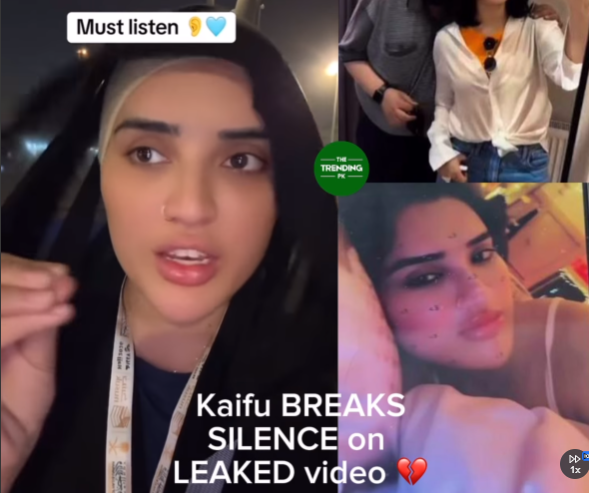
After observing the situation for a week, Alina Amir broke her silence through an emotional Instagram post, denying any involvement in the video and identifying it as an AI-generated deepfake. "I didn't want to talk on this matter and was observing this for a full week and stayed quiet," Alina stated in her official response.
The influencer revealed that she saw videos claiming 'Alina Amir video leaked' trending across social media platforms and felt compelled to address the situation directly. She emphasized how these malicious actors can go beyond their bounds to damage someone's reputation without any verification of authenticity.
The Deepfake Technology Behind the Scandal
According to Alina, the viral video uses sophisticated AI technology to superimpose her face onto another person's body in the explicit footage. This technique, known as deepfake, has become increasingly sophisticated and accessible, making it difficult for average viewers to distinguish between authentic and manipulated content.
The 7:11 duration of the video has become a specific search term, with many users specifically looking for "Alina Amir 7 minutes 11 seconds viral video" across various platforms. This specificity suggests that those sharing the content are deliberately using these details to maximize search visibility and engagement.
Alina's Plea to Authorities and Public
In her response, Alina made a sincere request to Punjab Chief Minister Maryam Nawaz to take action against these cybercriminals. "I sincerely request Punjab CM Maryam Nawaz sahiba to take action against all these culprits who create videos of women to malign them and ruin their lives," she said in her video statement.
The TikToker also praised the Punjab Cyber Crime Department for their efforts and urged authorities to implement stricter punishments for those involved in creating and distributing such AI-generated intimate videos targeting female influencers, actors, or individuals.
How to Identify Fake Links and Videos
Alina has urged her followers and the general public to verify content before sharing it. "Video you people are spreading on social media, at least verify whether it's true or not," she emphasized. She advised people to learn about the person involved and verify the authenticity of the material before disseminating it further.
Experts suggest several ways to identify potential deepfake content:
- Look for inconsistencies in facial movements and expressions
- Check for unnatural blinking patterns
- Observe any mismatched skin tones between the face and body
- Notice any blurring or distortion around the edges of the face
- Verify the source of the content through official channels
## The Growing Trend of Targeting Pakistani Influencers
The Alina Amir incident follows a disturbing pattern of similar cases involving other Pakistani social media personalities. Fatima Jatoi and Payal Gamig also fell victim to alleged AI-generated deepfake videos, with durations of 19 minutes and 42 seconds being specifically mentioned in search trends.
Other influencers like Kanwal Aftab, Imsha Rehman, and Mathira Khan have also been caught in similar viral video scandals, suggesting a systematic effort to exploit and discredit female content creators in Pakistan's digital space.
The Impact on Victims and Society
The psychological and professional impact on victims of such deepfake scandals can be devastating. Many influencers face public humiliation, loss of followers, brand partnerships, and even threats to their personal safety. The long-term consequences can include depression, anxiety, and social isolation.
Society at large also suffers from the erosion of trust in digital content and the normalization of non-consensual pornography disguised as "leaked" material. This creates a toxic environment where genuine victims of privacy violations may be dismissed or blamed.
## Legal Framework and Enforcement Challenges
While Pakistan has laws against cybercrime and the distribution of explicit content without consent, enforcement remains challenging due to the anonymous nature of the internet and cross-border jurisdictions. The rapid evolution of deepfake technology further complicates detection and prosecution efforts.
The Punjab Cyber Crime Department has been actively working on such cases, but resource constraints and technical limitations often hamper their effectiveness. There is a growing need for specialized units with advanced tools to detect and combat deepfake technology.
## The Role of Social Media Platforms
Social media platforms have come under criticism for their inadequate response to the spread of non-consensual intimate content and deepfake material. While many platforms have policies against such content, their enforcement mechanisms often fail to prevent the rapid viral spread of these videos before they can be removed.
The algorithmic amplification of sensational content further exacerbates the problem, as engagement-driven systems often prioritize viral content over ethical considerations or user safety.
## Protecting Yourself from Deepfake Scams
For internet users concerned about deepfake content:
- Be skeptical of sensational or explicit content featuring public figures
- Verify information through official channels before sharing
- Report suspicious content to platform administrators
- Use reverse image search to check if images have been manipulated
- Support legislation and initiatives that combat deepfake technology abuse
## The Future of Digital Privacy in Pakistan
The Alina Amir case highlights the urgent need for comprehensive digital privacy legislation and improved cybersecurity measures in Pakistan. As AI technology continues to evolve, the threat of deepfakes and other forms of digital manipulation will likely increase, requiring proactive responses from government, tech companies, and civil society.
Until then, influencers like Alina Amir continue to fight against the exploitation of their image and reputation, hoping that their voices will lead to meaningful change in how society consumes and shares digital content.
The viral 7-minute 11-second video allegedly featuring Alina Amir serves as a stark reminder of the dark side of digital fame and the vulnerabilities that come with being a public figure in the age of AI and social media.